
A roof replacement always feels urgent once the signs are obvious – missing shingles, active leaks, hail damage, or a home inspection that raises concerns right before a sale. One of the first questions homeowners ask is, how long does roof replacement take? The short answer is usually one to three days for the actual installation on an average home, but the full process can stretch longer depending on materials, weather, inspections, and insurance approvals.
That difference matters. Many homeowners hear a contractor say the roof can be installed in a day and assume the whole project will be wrapped up just as quickly. In reality, the installation day is only one part of the timeline. If you want a realistic expectation, it helps to separate the project into planning, scheduling, tear-off, installation, and final inspection.
How long does roof replacement take on most homes?
For a standard asphalt shingle roof on a typical single-family home, the hands-on replacement work often takes one to three days. Smaller, simpler roofs may be completed in a single day. Larger homes, steeper rooflines, or roofs with multiple facets usually take longer.
If you are replacing a premium roofing system such as tile, metal, or specialty impact-resistant materials, the timeline can increase. These systems often require more precise installation methods, longer material lead times, and more detailed flashing work. That extra time is not a sign that something is wrong. It usually reflects the care needed to protect your home and deliver a better long-term result.
Colorado homeowners should also expect timing to shift based on weather. A roof crew may be fully scheduled and ready to begin, then lose a day because of snow, high winds, or afternoon storms. In the Denver Metro area and surrounding communities, that is simply part of responsible roofing. A licensed and insured contractor should not rush through unsafe conditions just to keep a date on the calendar.
What affects how long roof replacement takes?
The biggest factor is roof size, but it is far from the only one. Complexity often matters more than square footage alone. A medium-sized home with steep slopes, chimneys, skylights, valleys, and multiple ridges may take longer than a larger home with a simple roof design.
Material choice also changes the pace. Asphalt shingles are generally the fastest to install because they are common, efficient, and well suited to many residential homes. Metal roofing can take longer because panels and trim require more exact handling. Tile and synthetic systems can also slow the schedule because each component needs careful placement.
The condition of the roof deck matters too. Once old materials are removed, the crew may find damaged decking, hidden leaks, or areas that need reinforcement. When that happens, a good contractor will pause long enough to correct the problem rather than covering it up. Homeowners sometimes worry when the timeline expands by a few hours or a day, but fixing structural issues during replacement is almost always the right call.
Permits, HOA requirements, and municipal inspections can also add time before or after installation. Those steps are part of doing the job correctly. They may not be visible from the driveway, but they help protect the homeowner and confirm the work meets code.
The real roof replacement timeline, start to finish
If you look at the whole project instead of only the installation, the timeline usually begins with an inspection. A contractor assesses the roof, identifies storm or age-related damage, and recommends repair or full replacement. If insurance is involved, there may be additional documentation, adjuster meetings, and claim discussions before materials are ordered.
Once the scope is approved, the contractor schedules the project and orders materials. That stage may take a few days or a few weeks depending on product availability and the current season. After major hail events in Colorado, supply chains and roofing schedules often tighten quickly.
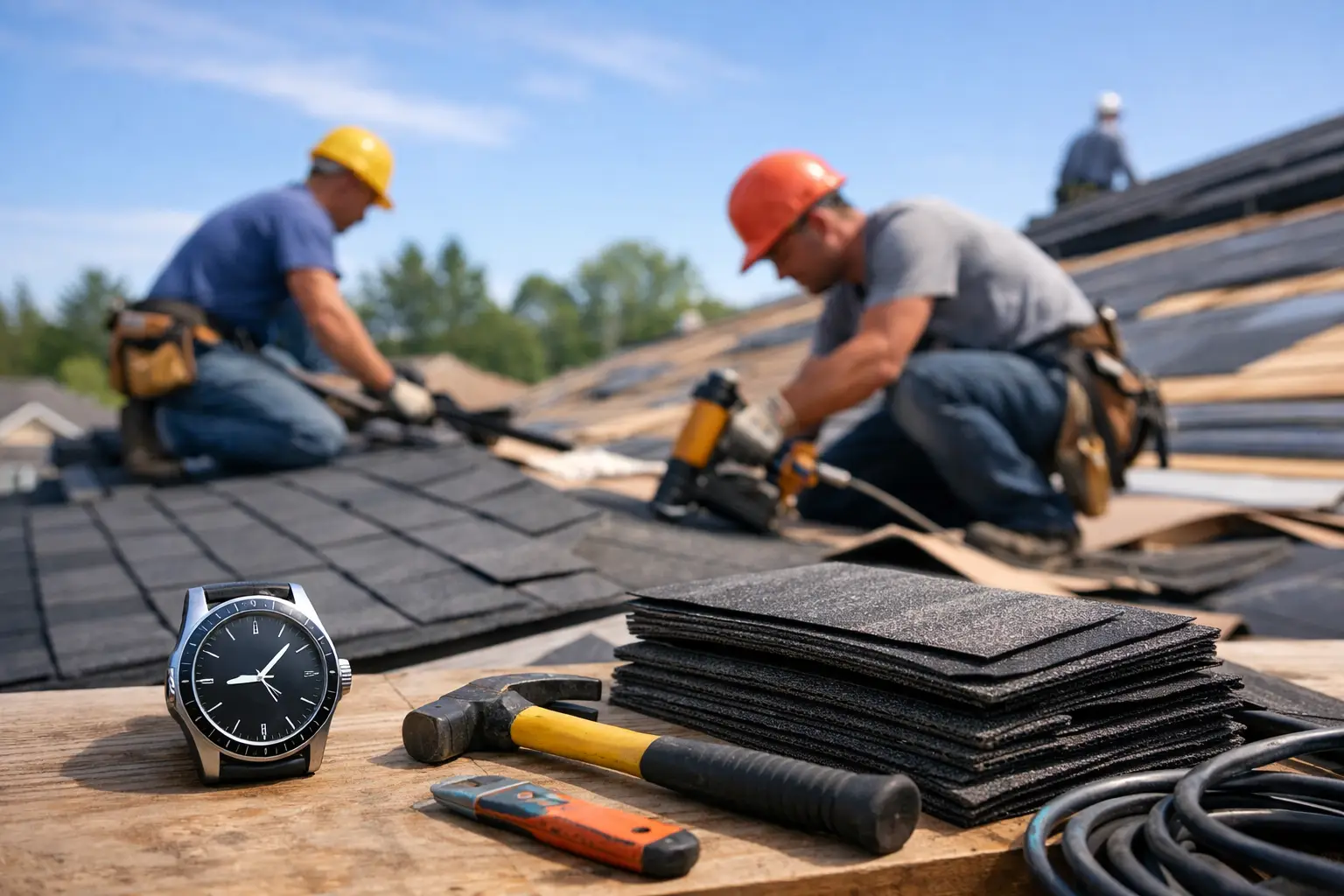
The tear-off and installation phase comes next. On many homes, this is the one- to three-day window people think of when they ask how long does roof replacement take. The crew removes old roofing, checks decking, installs underlayment, flashing, ventilation components, and the new roofing system. Cleanup typically happens throughout the job and at the end of the final day.
Then there is the closeout stage. Final inspection, punch-list items, paperwork, and warranty documentation may happen right away or within several days. If insurance is involved, final invoicing and depreciation recovery can extend the administrative side of the project even after the roof itself is finished.
Why some roofs are finished in one day
A one-day roof replacement is possible, and on the right home it can be a great outcome. If the roof is moderately sized, the design is straightforward, the weather cooperates, and the materials are standard asphalt shingles, an experienced crew can move very efficiently.
That said, speed should never be the only selling point. Homeowners should be cautious of promises that sound too neat for every house and every condition. A roof can be installed quickly and still be done well, but only when the planning, staffing, safety procedures, and site protection are all in place.
Trustworthy contractors are transparent about this. They do not use a one-day estimate to gloss over possible deck repairs, ventilation upgrades, or weather delays. They explain what is likely, what could change, and how they will communicate if the schedule shifts.
Colorado weather can change the answer
In Colorado, roofing timelines are tied closely to the forecast. High winds can make material handling unsafe. Rain can interrupt tear-off and underlayment work. Snow and ice can delay both installation and inspection. Even strong afternoon sun at elevation can affect crew pace and material conditions.
This is one reason local experience matters. A Colorado roofing contractor understands how to schedule around weather windows, protect exposed areas if conditions change, and avoid unnecessary risk. Homeowners benefit from realistic planning, not overpromising.
Storm season can also affect how quickly a replacement gets on the calendar. After widespread hail, many homeowners seek inspections at the same time. Insurance agents, realtors, and property owners all need dependable scheduling, and reputable contractors often book up quickly. That can make the wait to start longer than the installation itself.
How to keep your roof replacement on schedule
The best way to avoid unnecessary delays is to make decisions early and work with a contractor who communicates clearly. Choosing materials, confirming color selections, and understanding the scope before the scheduled date can prevent avoidable setbacks.
It also helps to prepare your property. Moving vehicles out of the driveway, securing patio furniture, protecting valuables in the attic, and planning for noise during work all make the day go more smoothly. If you have children, pets, or work-from-home needs, it is smart to plan ahead for the disruption.
Good communication makes a major difference here. A contractor should let you know when materials will arrive, when the crew is expected, and whether weather may affect the schedule. That level of transparency builds confidence, especially when the project involves insurance, real estate deadlines, or active leaks.
When a longer timeline is actually a good sign
Homeowners naturally want roofing work done fast. But a longer project is not always bad news. Sometimes it means your contractor found damaged decking and fixed it. Sometimes it means custom materials took longer to source. Sometimes it means work was paused because weather conditions made a rushed installation unsafe.
Those are all responsible reasons for a timeline to change. The real concern is not whether the project took one day or three. It is whether the roof was installed correctly, the property was protected, and the homeowner was kept informed throughout the process.
That is especially important when your roof replacement is tied to storm damage restoration or a home sale. Insurance partners, real estate professionals, and homeowners all need a contractor they can trust to communicate clearly and follow through. That is where a locally owned company with strong reviews, proper licensing, and a homeowner-first approach stands apart.
For most Colorado homes, roof replacement moves faster than people expect once the project begins. The better question is not just how long it takes, but whether the process is organized, transparent, and handled with care. A roof protects everything underneath it, so a few extra hours – or even an extra day – can be well worth it when the job is done right.
Leave a Reply