
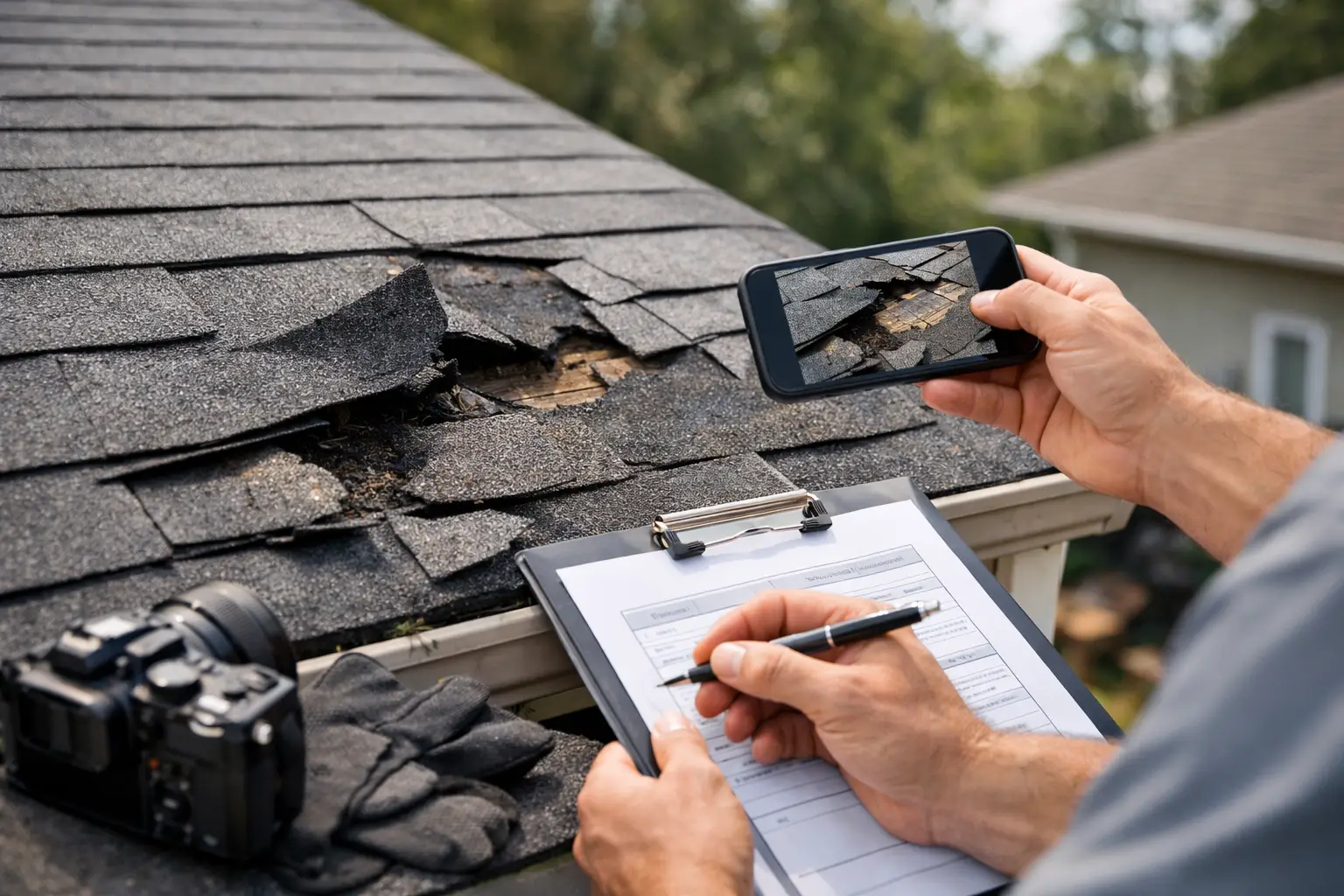
A windstorm rolls through at 2 a.m., and by breakfast you spot shingles in the yard. That moment matters. If you are wondering how to document roof damage, the steps you take in the first few hours can make a real difference for insurance, repair planning, and protecting your home from bigger issues.
For Colorado homeowners, roof damage is rarely just cosmetic. Hail, high winds, heavy snow, and sudden temperature swings can create problems that are easy to miss from the ground. Good documentation gives you a clear record of what happened, when you noticed it, and how serious it appears. It also helps you avoid the confusion that can happen when memories fade, weather changes the evidence, or multiple parties get involved.
Why proper roof damage documentation matters
Roof damage documentation serves two purposes at the same time. First, it helps a qualified roofing contractor assess what needs to be repaired or replaced. Second, it creates a useful paper trail if you need to speak with your insurance company.
That record matters more than many homeowners realize. A few quick phone photos are better than nothing, but incomplete documentation can leave gaps. Maybe you forgot to capture a detached gutter, interior water staining, or the date of the storm itself. Those missing details can slow down next steps and make a stressful situation feel even less manageable.
Well-organized documentation also protects you from guesswork. If damage worsens after another storm, you want to be able to show what was already there and what changed over time. That is especially helpful in Colorado, where one weather event can be followed by another before repairs are complete.
How to document roof damage safely
Before anything else, keep safety first. If your roof is steep, wet, icy, storm-damaged, or more than one story high, do not climb on it. Even a roof that looks stable from the ground may have hidden soft spots or loose materials.
In most cases, the safest approach is to document what you can from the ground, from a window, or with a ladder only if you are trained and comfortable using one correctly. A professional roof inspection can fill in the details you cannot safely capture yourself. Licensed and insured contractors handle this every day, and that peace of mind is worth a great deal when your home is on the line.
Start with the date and cause
As soon as you notice a problem, write down the date and time. If a storm caused the damage, note what happened as specifically as possible. For example, record that your neighborhood had hail around 6 p.m., strong wind overnight, or heavy snow buildup over the weekend.
Do not worry about sounding technical. Just be accurate. A simple note on your phone or in a notebook is enough, as long as it is clear and dated.
Take wide photos first
Start with wide shots that show the full home and the roof from several angles. Take photos from the front, back, and both sides if possible. These images establish context and show where the damage is located.
If there are obvious signs on the ground, photograph those too. Shingles, flashing, metal pieces, branches, broken skylight material, or granules near downspouts can all help tell the story. Wide shots make it easier to connect close-up damage photos to the exact area of the property.
Capture close-ups of visible damage
After the wide shots, move in closer. Photograph missing shingles, torn shingles, dented vents, bent flashing, damaged gutters, cracked skylights, lifted ridge caps, or any exposed underlayment you can safely see.
Take several angles of each issue. Good lighting helps, but do not edit the images heavily. You want the photos to reflect the condition as accurately as possible. If your phone has a timestamp feature, use it. If not, the file metadata usually helps preserve the date.
Document interior signs too
Roof damage does not always show itself clearly outside. Water spots on ceilings, peeling paint, damp insulation in the attic, musty odors, or drips around vents and chimneys can all point back to roof-related issues.
Photograph interior damage as soon as you find it. Include both wide and close shots, and add a quick note describing where it is located. For example, write that a stain appeared on the upstairs guest bedroom ceiling near the north-facing exterior wall. Details like that help connect inside symptoms with outside damage.
What to include in your roof damage record
If you want to know how to document roof damage in a way that is actually useful, think beyond pictures alone. Photos are essential, but they work best when paired with simple written notes.
Your documentation should include the date you noticed the damage, what weather event may have caused it, where the damage appears, and whether conditions are getting worse. If water is entering the home, note when you first saw it and whether it happens only during active rain or snowmelt.
It is also smart to keep records of any emergency steps you take. If you place a tarp, move belongings, or collect water in buckets, jot that down. Save receipts for temporary mitigation work or materials. Those details may matter later.
Create a simple file system
You do not need special software to stay organized. Create one folder on your phone or computer with the property address and date. Keep all photos, videos, notes, inspection paperwork, and receipts together.
Name your files clearly if you can. Something like “rear slope missing shingles” is far more helpful than a random image number. If you end up speaking with your insurer, adjuster, roofer, or realtor, organized records make those conversations much smoother.
Video can help, but only if it is clear
A short walkaround video can be useful because it adds context and narration. As you film, calmly describe what you are seeing and where you are standing. Mention the date and any known storm event.
That said, video should support your photos, not replace them. Insurance and repair discussions often depend on still images that can be reviewed closely. A shaky video taken in poor light is less helpful than a set of clean, well-framed photos.
Common mistakes homeowners make
The biggest mistake is waiting too long. Wind can move debris, rain can spread leaks, and later weather can blur what happened in the original event. Document what you can as soon as conditions are safe.
Another common issue is taking too few photos. Homeowners often capture the most dramatic damage and miss the surrounding context. They may also forget related items like siding, gutters, window trim, fencing, or interior staining.
The last mistake is trying to inspect beyond your comfort level. Getting on a damaged roof without the right safety experience is never worth it. A professional inspection is the better move, especially when you need documentation you can trust.
When to call a roofing professional
Some roof issues are obvious, but others are subtle. Hail bruising, lifted seal strips, flashing damage, and impact marks on soft metals can be hard for an untrained eye to identify. If you suspect storm damage but cannot clearly confirm it, schedule a professional inspection.
This is where working with a locally owned, licensed and insured contractor can make a real difference. A reputable company can document conditions thoroughly, explain what is cosmetic versus functional, and help you understand your next step without adding pressure. For homeowners across the Denver Metro area, that kind of clear communication can take a lot of stress out of the process.
How to document roof damage for insurance
If you plan to file a claim, keep your communication record just as carefully as your photo record. Save claim numbers, adjuster names, appointment dates, and copies of emails or letters. Write down the time and date of phone calls and a short note about what was discussed.
Be factual and consistent. Do not guess about the scope of damage if you are unsure. It is fine to describe what you observed and let qualified professionals assess the rest. That approach is more credible and usually more helpful than overstating what you think happened.
If your insurer schedules an inspection, have your records ready. Organized documentation shows that you took the situation seriously and makes it easier to answer questions. It also helps if there is any disagreement later about timing or severity.
A damaged roof can make a home feel vulnerable fast. The right documentation will not fix the shingles or stop the next storm, but it will give you something just as valuable in the moment – clarity. And when you are protecting your home, clarity is often the first real step toward peace of mind.
Leave a Reply