
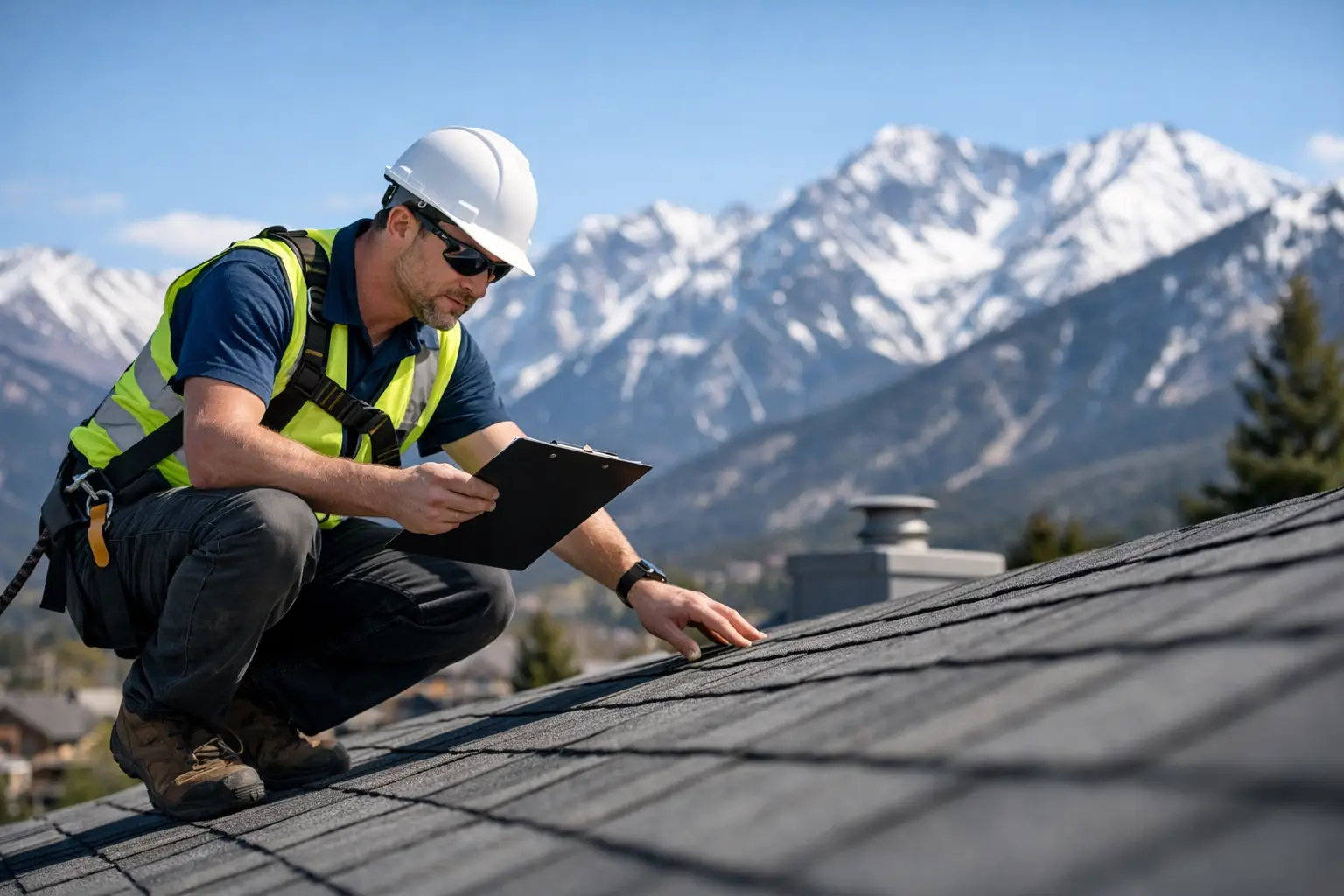
A small water stain on the ceiling, a few shingles in the yard after a windstorm, or a home sale on the calendar – those moments are usually when homeowners start asking how to get a roof inspection. In Colorado, that question matters more than it does in milder climates. Hail, wind, heavy snow, and intense sun can all shorten a roof’s lifespan, and the damage is not always obvious from the ground.
A roof inspection is not just about spotting a leak. It is about protecting your home, documenting storm damage, understanding the condition of your roofing system, and making a clear decision before a minor issue becomes an expensive one. If you have never scheduled one before, the process is straightforward when you know what to look for and who to call.
How to get a roof inspection without the guesswork
The first step is simple: contact a licensed and insured local roofing contractor that regularly performs residential inspections in your area. A local company understands Colorado weather patterns, common storm damage, and the roofing materials used throughout the Denver Metro and surrounding communities. That local experience matters because a roof in Colorado faces different stresses than one in a calmer climate.
When you call, be ready to share your address, the age of the roof if you know it, and the reason you want the inspection. Maybe you noticed missing shingles. Maybe you are buying or selling a home. Maybe a hailstorm moved through your neighborhood and your neighbors are already filing claims. The more context you provide, the more useful the visit will be.
In many cases, the contractor will set a time for an on-site inspection and explain whether it is a general condition assessment, a storm damage inspection, or a real-estate-related evaluation. That distinction matters because each type of inspection can involve slightly different documentation.
When to schedule a roof inspection
Homeowners often wait until they see interior damage, but that is usually late in the process. A better approach is to schedule an inspection when there is a clear reason to believe your roof has been stressed or when timing makes it smart to check its condition.
Storms are the most obvious trigger in Colorado. If your area has had hail, strong wind, or heavy snow, it makes sense to have your roof inspected even if it looks fine from the driveway. Hail damage, lifted shingles, bruised roofing materials, and flashing problems are not always visible from below.
Age is another factor. If your roof is getting older and you are not sure how much life it has left, an inspection gives you a clearer picture. The same is true if you are refinancing, preparing to sell, or purchasing a home and want to avoid surprises after closing.
It is also wise to schedule an inspection if you notice signs like water stains, granules in gutters, sagging areas, loose flashing, or debris impact after a storm. None of those signs automatically means you need a full replacement, but they do mean it is time for a professional opinion.
What happens during a roof inspection
A good inspection should feel organized and transparent, not rushed. The contractor will typically start by asking about the history of the roof, any leaks or repairs, and whether recent weather events may have affected it.
From there, the inspection usually includes an exterior evaluation of shingles or other roofing materials, flashing, vents, valleys, gutters, drainage patterns, and visible signs of wear or storm damage. Depending on the home and the reason for the visit, the inspector may also look at attic conditions, ventilation issues, moisture signs, and structural concerns that could affect roof performance.
You should expect clear communication about what was found. In some cases, the roof is in good shape and simply needs routine monitoring. In other cases, there may be targeted repair needs. If there is storm-related damage, the contractor may document it thoroughly so you can better understand whether an insurance claim is worth pursuing.
That is one of the biggest differences between a trustworthy inspection and a sales-first visit. A reliable contractor explains what is actually there, what is urgent, what can wait, and what your options are.
How to choose the right company for a roof inspection
If you are figuring out how to get a roof inspection, the most important decision is not the date on the calendar. It is who performs it.
Start with the basics. Choose a company that is licensed and insured, has a strong local reputation, and can point to real reviews from homeowners, insurance professionals, or real estate partners. In a market like Colorado, local credibility matters. You want a contractor who will still be here after the next storm season, not someone chasing temporary work.
Communication is another major factor. A good roofing company should explain the process clearly, show up on time, answer questions directly, and avoid pressure tactics. If every conversation immediately turns into a replacement pitch before anyone has looked closely at the roof, that is a red flag.
It also helps to ask how the findings will be shared. Will you get photos? A written assessment? Guidance on next steps? The more clearly the company documents the inspection, the easier it is for you to make a confident decision.
For homeowners dealing with possible storm damage, insurance experience can be especially valuable. You do not need a contractor who makes unrealistic promises about what insurance will cover. You need one who can identify damage accurately, document it professionally, and communicate in a way that supports a smoother claims process.
How much a roof inspection costs and what to ask about fees
Roof inspection pricing depends on the property, the purpose of the inspection, and the company you hire. Some contractors offer free roof inspections, especially for storm damage assessments or standard residential evaluations. Others may charge for more formal reports, real estate transaction documentation, or inspections that require specialized expertise.
Neither approach is automatically better. A free inspection can still be thorough and professional when it is done by a reputable contractor. A paid inspection is not automatically more trustworthy either. What matters is clarity. Ask upfront what is included, whether documentation is provided, and whether the inspection is tied to any obligation.
A reputable company will be direct about the cost structure and the scope of work. That transparency is part of the service.
How to prepare for the appointment
You do not need to do much, but a little preparation helps. Make sure the contractor can access the property safely and that gates are unlocked if needed. If you have noticed leaks, ceiling stains, or specific trouble spots, write them down so nothing gets missed during the visit.
It is also helpful to gather any information you have about the roof’s age, prior repairs, warranty paperwork, or recent storm dates. If an insurance claim may be involved, having that timeline ready can make the conversation more productive.
If you can be present during the inspection or at least available by phone, that is ideal. Homeowners often get more value from the appointment when they can ask questions in real time and hear the findings directly.
What happens after the inspection
Once the inspection is complete, the next step depends on what the roof actually needs. Sometimes the best answer is no immediate work at all, just documentation and a recommendation to recheck the roof after the next severe season. That kind of honesty is a good sign.
If repairs are needed, you should receive a clear explanation of the scope and priority. Small issues like damaged flashing, isolated shingle loss, or minor penetrations can often be addressed before they lead to bigger interior problems.
If the roof has more widespread damage or age-related wear, replacement may be the better long-term investment. That is not always the news homeowners want, but it can still be handled in a way that feels manageable when the contractor communicates clearly and lays out realistic options.
For storm damage situations, the contractor may help document the findings so you can speak with your insurance carrier from a more informed position. Companies like 5280 Creative Construction Solutions build trust by making that process less stressful, not more confusing.
A few common mistakes to avoid
The biggest mistake is waiting too long. Roof problems rarely get cheaper with time, especially when moisture is involved. Another mistake is choosing the first contractor who knocks on your door after a storm without checking credentials, insurance, or local reputation.
It is also worth avoiding the assumption that if a roof is not leaking, it must be fine. Damage often starts long before water reaches your ceiling. And if you are buying or selling a home, skipping an inspection to save time can create bigger delays later.
A roof inspection should give you clarity. If the process leaves you more confused, more pressured, or less certain about the condition of your home, you probably have the wrong contractor.
Your roof protects everything under it, and in Colorado that protection gets tested often. A good inspection is not about being sold something. It is about getting an honest look at your home, understanding your options, and moving forward with confidence.
Leave a Reply